Ledger Cold Wallet Transaction Confirmation: Secure Approval Guide
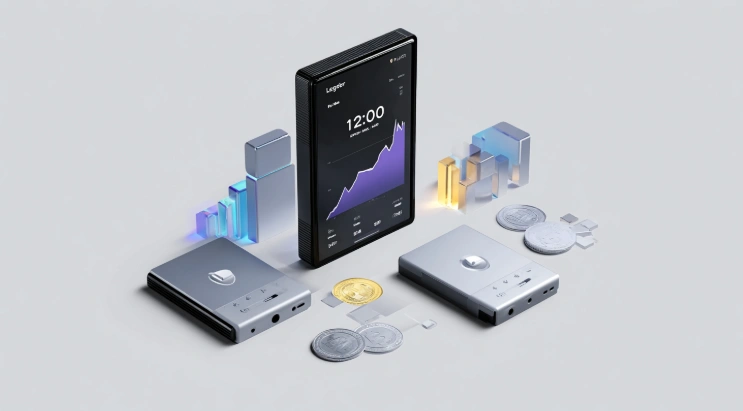
Ledger Cold Wallet Transaction Confirmation represents the critical security moment where users verify transaction details on the hardware device's trusted display before authorizing cryptographic signatures. This confirmation step ensures that even complete compromise of connected computers or smartphones cannot result in unauthorized fund movement from cold storage. The secure element signs transactions only after physical confirmation on the device, maintaining user control over private keys regardless of software security status.
Ledger Cold Wallet Approve Transaction procedures protect against sophisticated attacks that manipulate software displays to deceive users during crypto sending operations. While malware might show one recipient address in Ledger Live, the hardware wallet displays the actual address that will receive funds. This independent verification exposes discrepancies before signing occurs for transaction security. Unlike Trezor or KeepKey with different display technologies, Ledger's screens provide reliable transaction information independent of connected device state via USB-C or Bluetooth. This page explains the confirmation process, verification importance, and proper practices for secure transaction approval.
Confirming Transactions on the Ledger Cold Wallet Device
Ledger cold wallet transaction confirmation occurs when the hardware wallet receives transaction data from companion software and displays details for user verification. The secure element will not sign without physical approval, creating an unbypassable security checkpoint for private keys protection. Users must review displayed information carefully before confirming, as approval authorizes irreversible blockchain transactions.
The confirm interface varies between button-based navigation (Nano models) and touchscreen gestures (Stax, Flex) but presents the same essential information. Transaction parameters scroll through the display, requiring users to view all details before the confirmation option appears for on device verification.
Why On-Device Confirmation Is Critical
| Threat | Software-Only | Hardware Confirmation |
|---|---|---|
| Display manipulation | Victim sees fake info | Hardware shows truth |
| Address substitution | Wrong address confirmed | Device reveals correct |
| Amount modification | Hidden fee increases | All amounts visible |
| Wrong network | Transaction fails or lost | Network displayed |
| Malicious contracts | Hidden function calls | Contract address shown |
On-device confirmation through the secure element provides the only trustworthy transaction information when connected devices may be compromised. The hardware screen operates independently of any potentially malicious software for transaction security.
Preventing Transaction Manipulation
- Always verify recipient address on hardware screen
- Compare displayed address character by character with intended destination
- Confirm amount matches intended transfer precisely
- Review network fee before approval
- Check asset type is correct for intended transfer
- Verify network matches intended blockchain
- Reject and investigate any unexpected parameters
Verification takes seconds per transaction but prevents catastrophic losses from manipulation attacks. The habit should become automatic for all transaction confirmations in cold storage operations.
Verification Process Details
Ledger cold wallet transaction confirmation follows a consistent process across all transaction types for crypto security. The hardware wallet receives unsigned transaction data, parses it according to blockchain-specific formats, and presents human-readable information on its display. Users review this information, comparing against their intentions, before providing confirmation through physical device interaction.
Understanding what information appears during approve transaction operations enables effective verification across all supported coins. Different transaction types display different parameters, but core elements including addresses, amounts, and fees appear consistently.
Reading Hardware Display Information
Ledger cold wallet approve transaction display elements. Confirmation display sequence:
- Transaction type indicator (Send, Swap, Approve, etc.)
- Recipient or contract address (full or scrolling)
- Amount to send in native units
- Asset type or token name
- Network fee in native currency
- Total cost including amount and fee
- Network identifier for multi-chain assets
- Confirmation prompt requiring physical input
Each element requires verify comparison against user intentions via USB-C or Bluetooth connected interface. Discrepancies indicate potential manipulation requiring transaction rejection and investigation for cold wallet security.
Advanced Confirmation Scenarios
Ledger cold wallet transaction confirmation extends to complex scenarios including smart contract interactions, DeFi protocol operations, and multi-signature arrangements. These scenarios may present additional information or require enhanced verification attention due to increased complexity and risk for private keys protection.
Advanced scenarios often involve contract addresses rather than simple recipient addresses through the secure element. Understanding the expected contract for each protocol helps users verify they interact with legitimate rather than malicious contracts for transaction security.
Smart Contract Interactions
| Operation Type | Display Shows | Verification Focus |
|---|---|---|
| Token swap | Input/output amounts, contract | Expected exchange rate |
| Liquidity provision | Both token amounts, pool | Correct pool address |
| Token approval | Contract, approval amount | Limit approval scope |
| Staking | Validator, amount | Correct validator identity |
| Bridge transfer | Destination chain, address | Right network and address |
| NFT transfer | Collection, token ID, recipient | Correct NFT and destination |
Complex wallet operations require heightened attention for on device confirmation. Consider sending test transactions for unfamiliar protocols before committing significant amounts in cold storage.
For basic usage, see our How to Use Ledger Cold Wallet guide. For sending and receiving, visit Send Crypto with Ledger Cold Wallet. For account management, see Ledger Cold Wallet Account Management.
Frequently Asked Questions
-
Confirmed transactions are irreversible once broadcast to the blockchain. Always verify before confirming. If you approve incorrectly, the transaction will execute as displayed on the hardware device.
-
Trust the hardware display from the secure element. Differences indicate potential manipulation on the software side. Reject the transaction and investigate discrepancies before proceeding with cold storage operations.
-
No. Transaction confirmation requires physical interaction with the device via on device approval. Remote confirmation is architecturally impossible without physical device access for private keys protection.
-
Check contract addresses against official project documentation. Bookmark official sites and verify addresses through multiple sources before interacting with new protocols for transaction security.
-
Blind signing confirms transactions without full detail parsing. It carries higher risk and should be avoided unless absolutely necessary for specific protocols that do not support full parsing.
-
Some wallet operations like token approvals require separate confirmation steps. Each step addresses different aspects of the crypto security verification process.
-
Press the reject button or gesture instead of confirm on the hardware device. The transaction will not sign, and you can investigate the unexpected request before deciding how to proceed with cold wallet operations.